


What Is an IPN Beam?
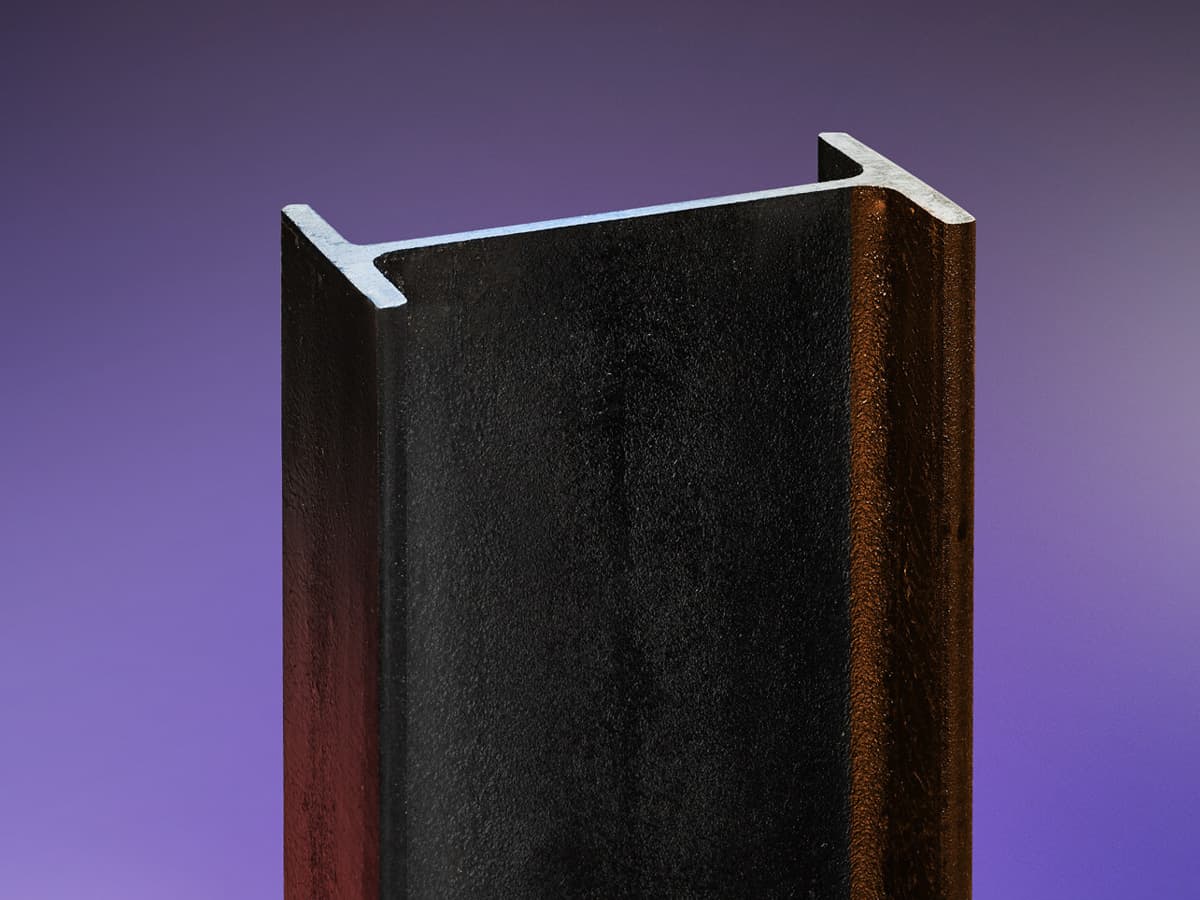
The IPN beam is one of the basic building blocks of the steel industry and has a very broad range of uses.
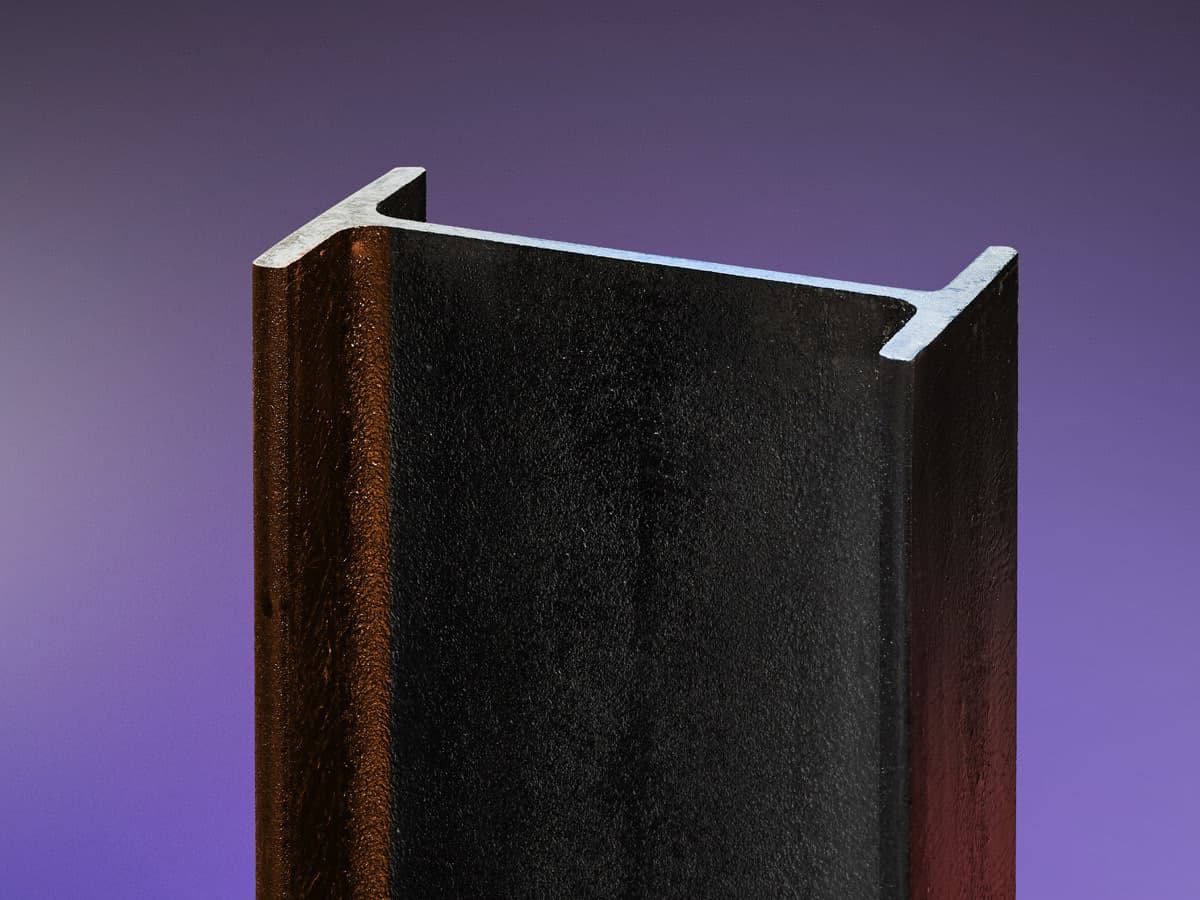
Known for its “I”-shaped cross-section, this hot rolled steel element increases the load-bearing capacity of structures while maximising durability. Used with confidence in civil engineering and many other fields, IPN is produced from steel that offers strength and long service life. The type of steel used directly affects the product's strength and durability.
IPN beams can be produced from alloyed or non-alloyed steel. Alloyed models offer extra strength and corrosion resistance, while non-alloyed ones are a more economical alternative. Available in different lengths and widths, IPN offers project-specific solutions and plays an important role in construction, power transmission lines and industrial buildings. Produced in widths from 80 mm to 160 mm and lengths from 5000 mm to 12000 mm, it suits a wide variety of projects.
IPN Prices
IPN prices vary depending on factors such as production processes, material type and market conditions.
The alloy of the steel used is a key factor: alloyed IPN costs more than non-alloyed products because it offers higher strength and corrosion resistance. Energy costs and the level of technology used in production are also important pricing factors.
Product dimensions play a decisive role as well; wider and longer IPN sections require more material and processing, which increases cost.
Types of IPN
IPN beams are produced in different types according to their applications and structural requirements.
Alloyed IPN is made stronger and more durable by adding elements such as carbon, nickel, manganese and chromium to the steel. Offering high strength, these products are preferred especially in projects requiring heavy load capacity, and thanks to their corrosion resistance they can be used safely in marine and outdoor structures.
Non-alloyed IPN has a more standard structure and provides economical solutions for projects requiring medium durability. Standing out for lighter weight and cost advantages, it is widely used in general construction. The availability of different sizes makes it possible to develop solutions for the specific needs of each project.
IPN Weight Table
The weight of an IPN beam varies with its cross-section and the density of the steel used. Wider and longer sections are heavier and offer advantages in large-scale load-bearing systems. Weight calculations are an essential criterion when choosing the right material for a project.
Uses of IPN
With its durable structure and wide range of uses, IPN plays a critical role in many sectors.
In construction it is frequently used to form load-bearing systems, offering strength and long service life in a wide range of structures, from bridges to skyscrapers and from tunnels to the steel frames of industrial buildings. With its high load capacity, IPN is of great importance for safety.
In power transmission lines, IPN is preferred to ensure line stability and increase resistance to environmental effects. In machinery and manufacturing it delivers high performance in assembly systems, heavy equipment supports and industrial frames.
IPN Production
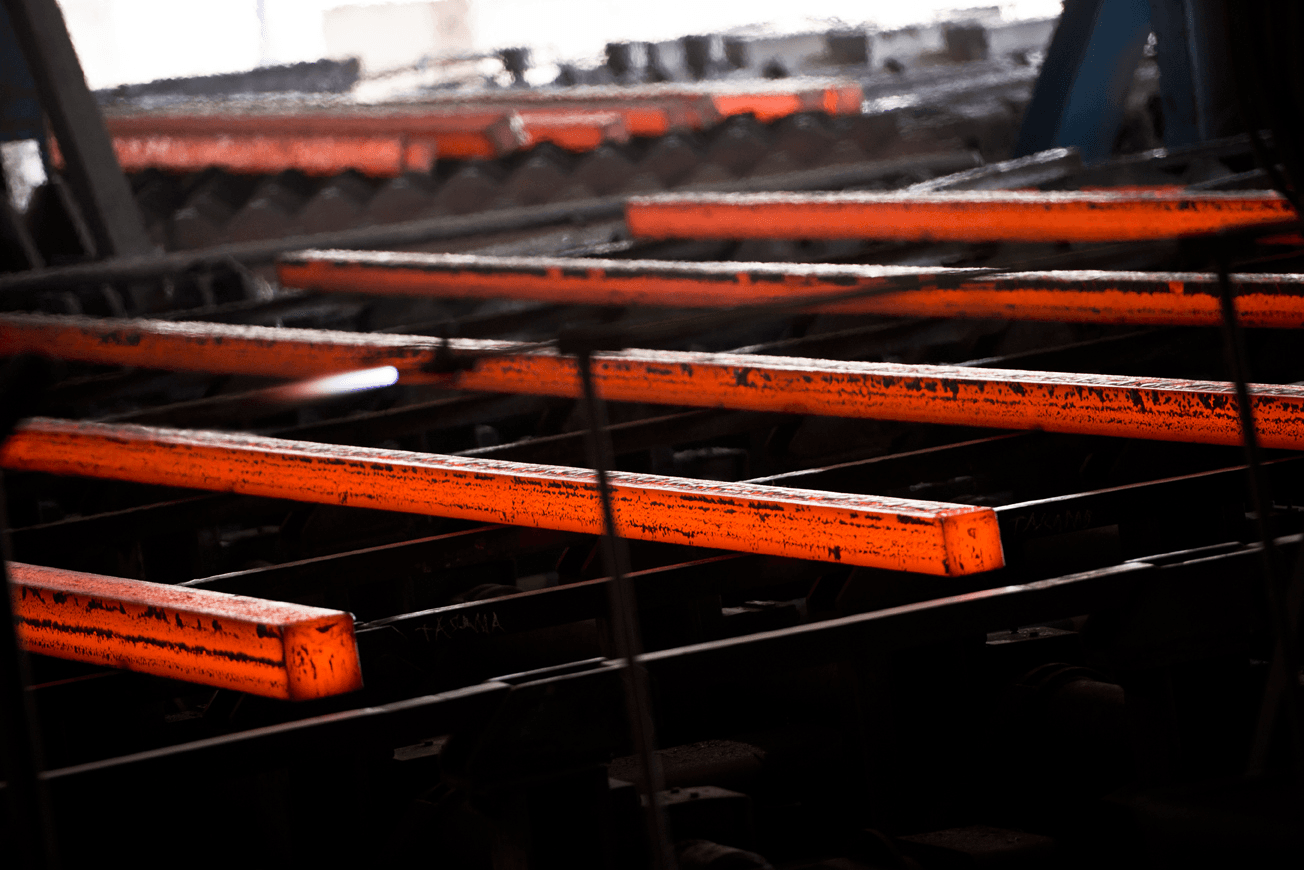
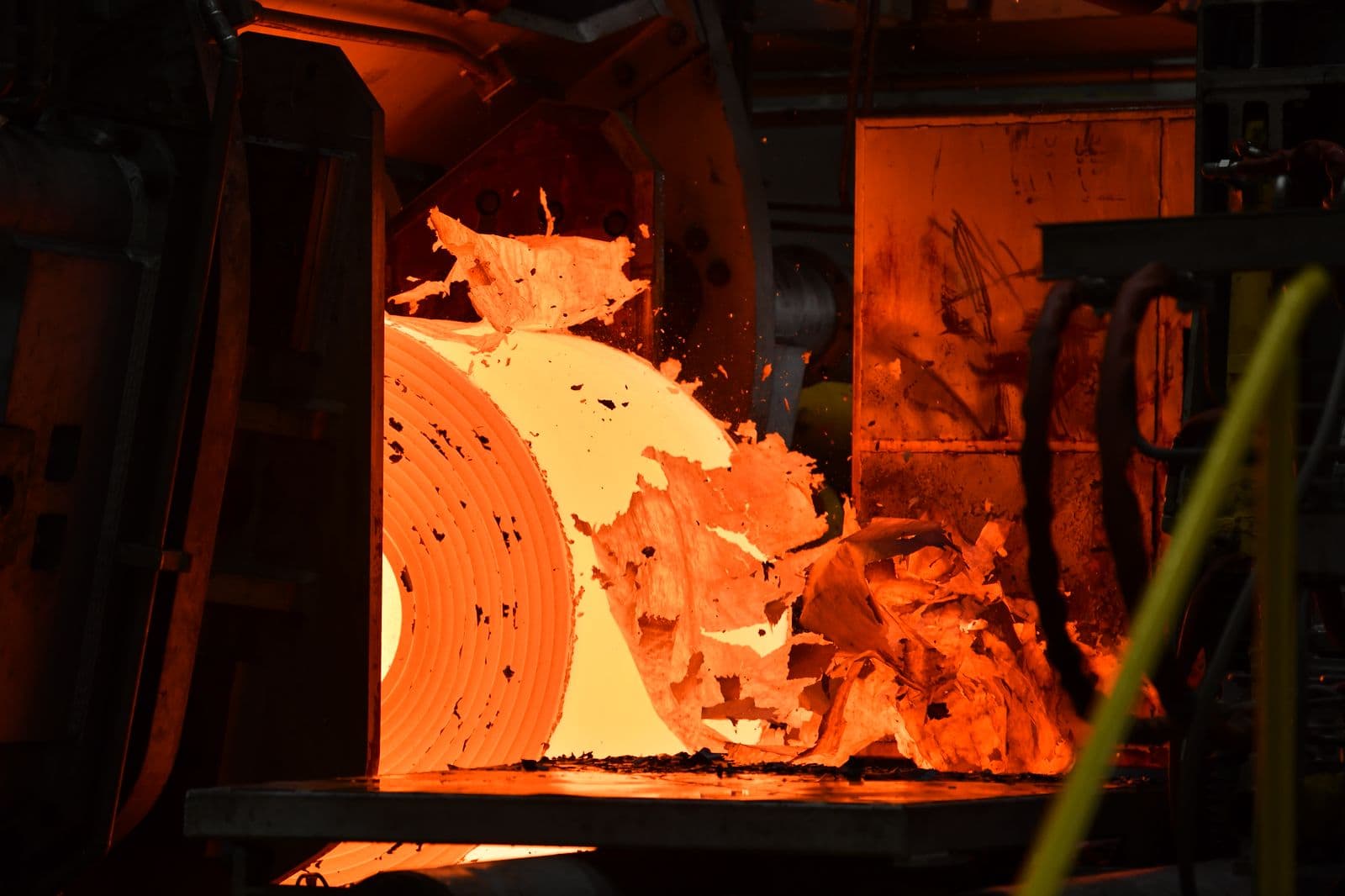
IPN is produced using hot rolled steel production technologies.
The steel is rolled at high temperatures into an “I”-shaped section. During this process, the product's mechanical properties, surface quality and cross-section accuracy are checked. After production, quality control confirms compliance with national and international standards.