


What Is a Steel Billet?
The steel billet is one of the most important semi-finished products of the steelmaking process and forms the basic raw material of many end products supplied to industry and construction.
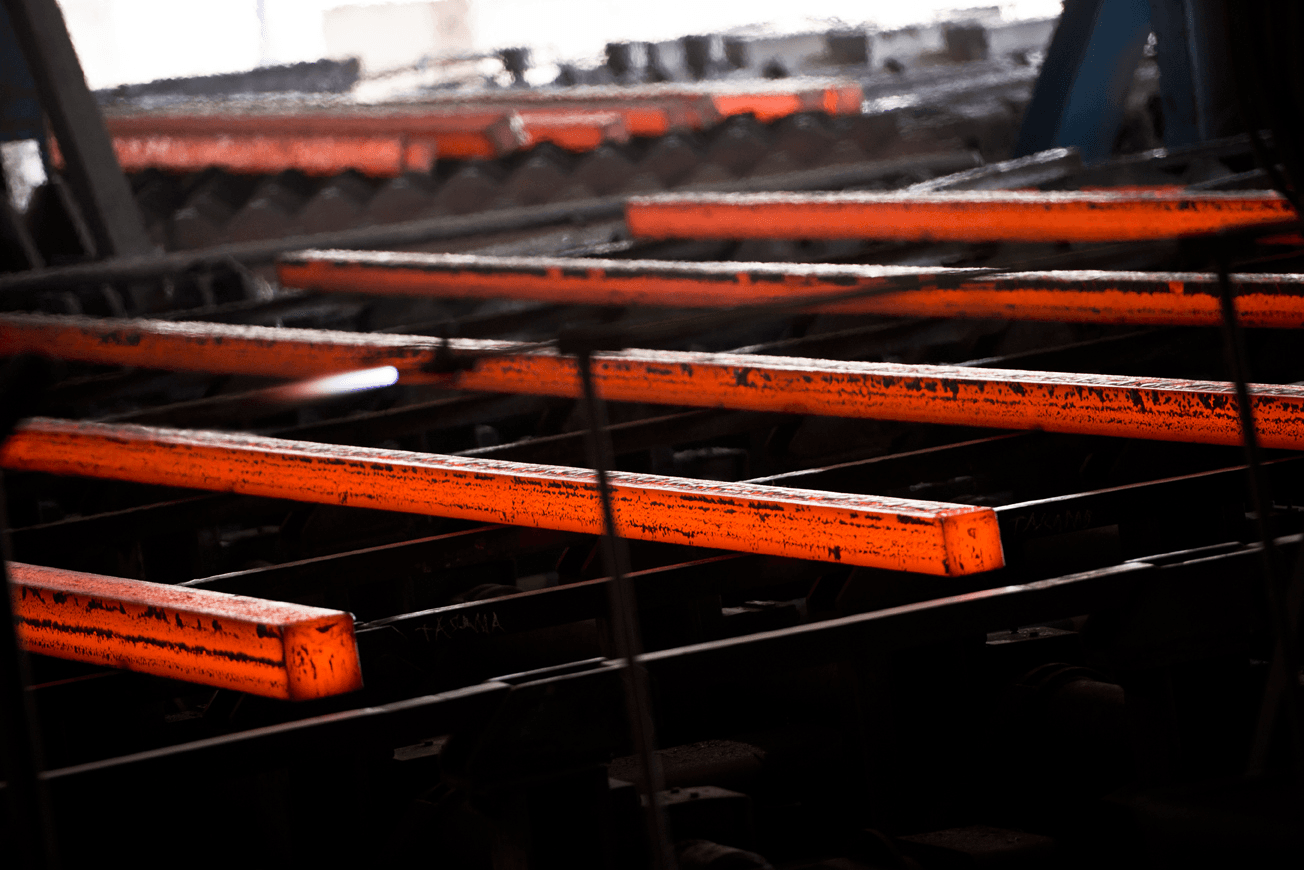
Produced as long metal bars with a square or rectangular cross-section, billets are obtained by shaping molten steel in special continuous casting machines. Although this form is not used directly in projects, it is the preferred input for sectors with strength and safety requirements such as construction and infrastructure, automotive, energy and heavy industry.
As a critical component of the steel production chain, the billet's high durability and workability increase the strength of the structural steel and industrial parts later produced from it. Because it can be reprocessed by recycling scrap metal, it also supports sustainable production and helps reduce environmental impact.
Types of Steel Billet
By chemical composition, billets are divided into two types: alloyed and non-alloyed.
Alloyed billets are enriched with elements such as carbon, manganese, chromium and nickel, gaining properties such as high strength, corrosion resistance and heat resistance. They are widely used in high-performance sectors such as shipbuilding, power plants and machinery. Because their production is more complex and their materials more costly, they are more expensive than standard grades; however, their long-term advantages offset the cost and are the main reason they are chosen.
Non-alloyed billets, on the other hand, are a simpler and more economical alternative consisting of a basic iron–carbon structure. Meeting standard strength requirements and being easy to process, they are used intensively in construction for reinforced concrete and in the production of steel sections. Their simpler production makes them highly cost-effective with a broader range of use.
Steel Billet Prices
Billet prices vary with production and market conditions. Fluctuations in iron ore and scrap costs, energy expenses, exchange rates and the supply–demand balance can directly affect prices. Higher-quality or special alloy billets are generally sold at higher prices than standard products.
Especially in large-scale projects, current market analyses of billet prices should be followed when calculating costs.
Steel Billet Sizes
Standard production sizes play an important role in keeping processes efficient across the sector.
The most common cross-sections used at steel plants in Türkiye are 130x130 mm, 140x140 mm, 150x150 mm, 160x160 mm, 180x180 mm and 200x200 mm. Lengths between 8 and 12 metres are the common preference. These standards, set by billet producers, make logistics and production easier to manage while improving economic efficiency. Some projects may nevertheless require special sizes, and billets can be produced in different dimensions according to customer requirements.
Uses of Steel Billet
In construction, billets are used to increase the strength of reinforced concrete structures.
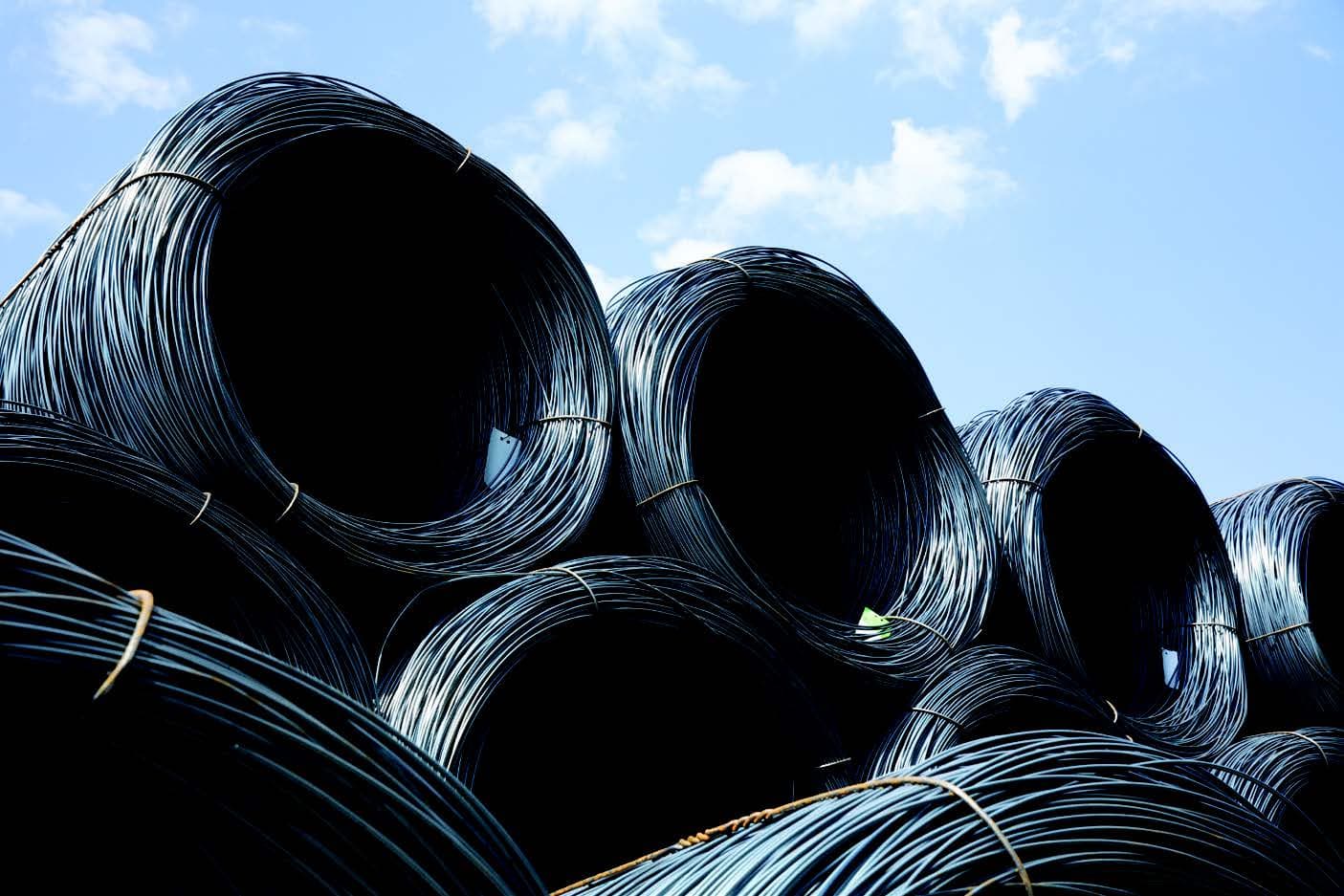
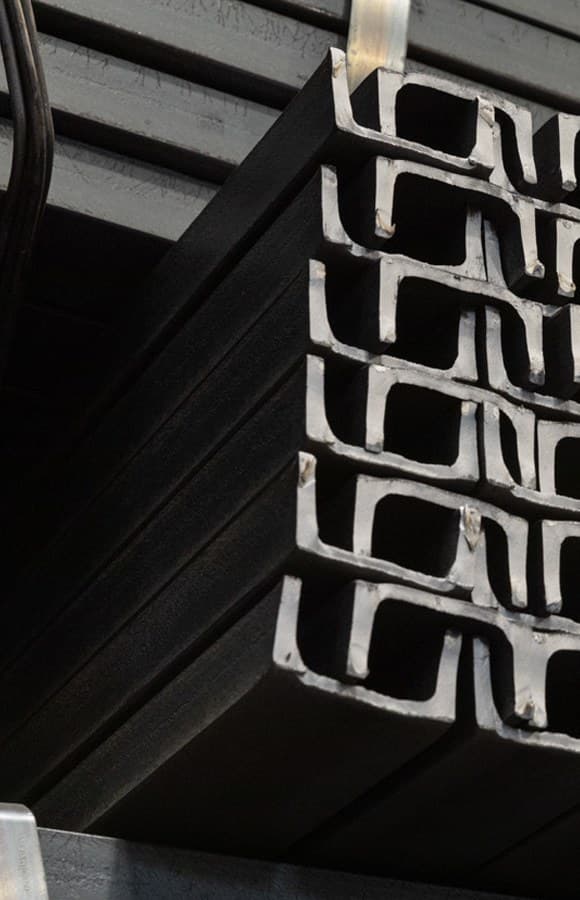
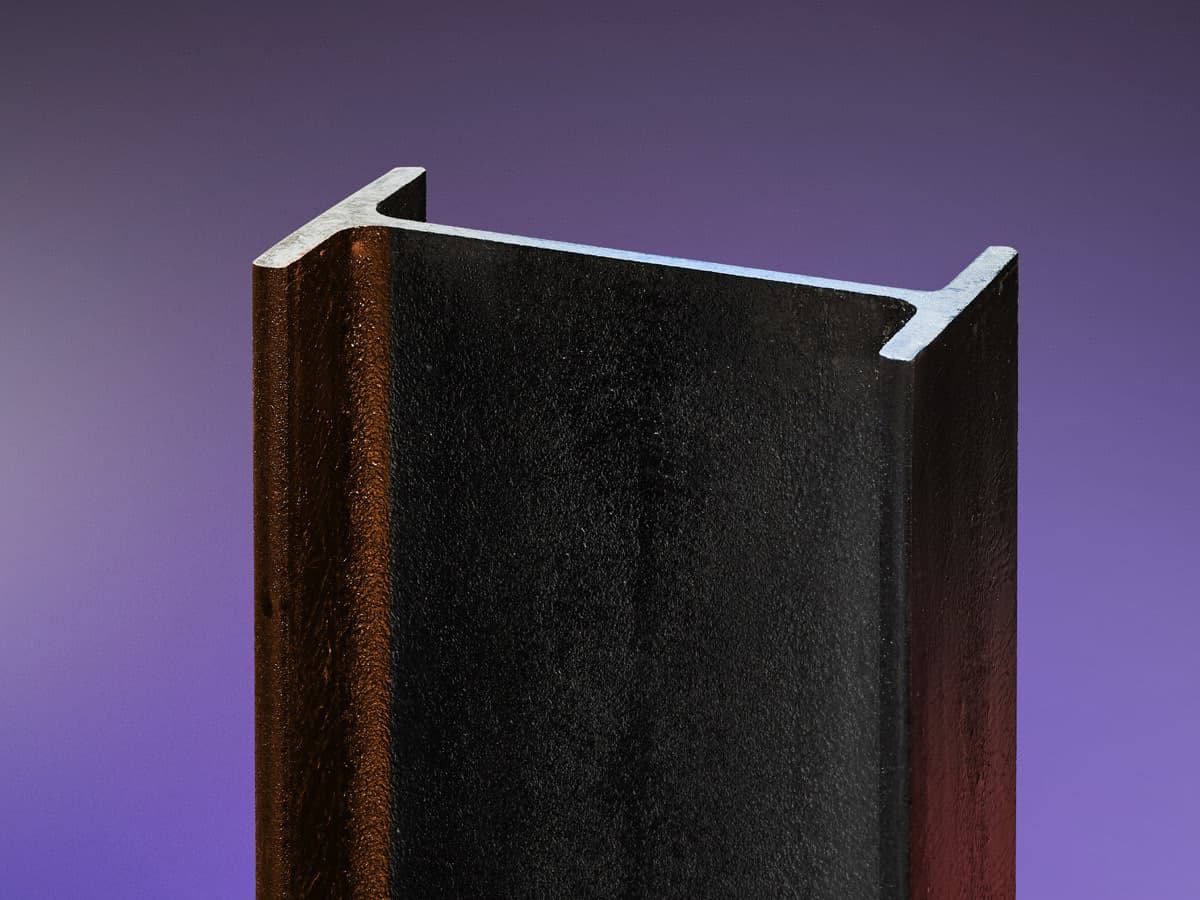
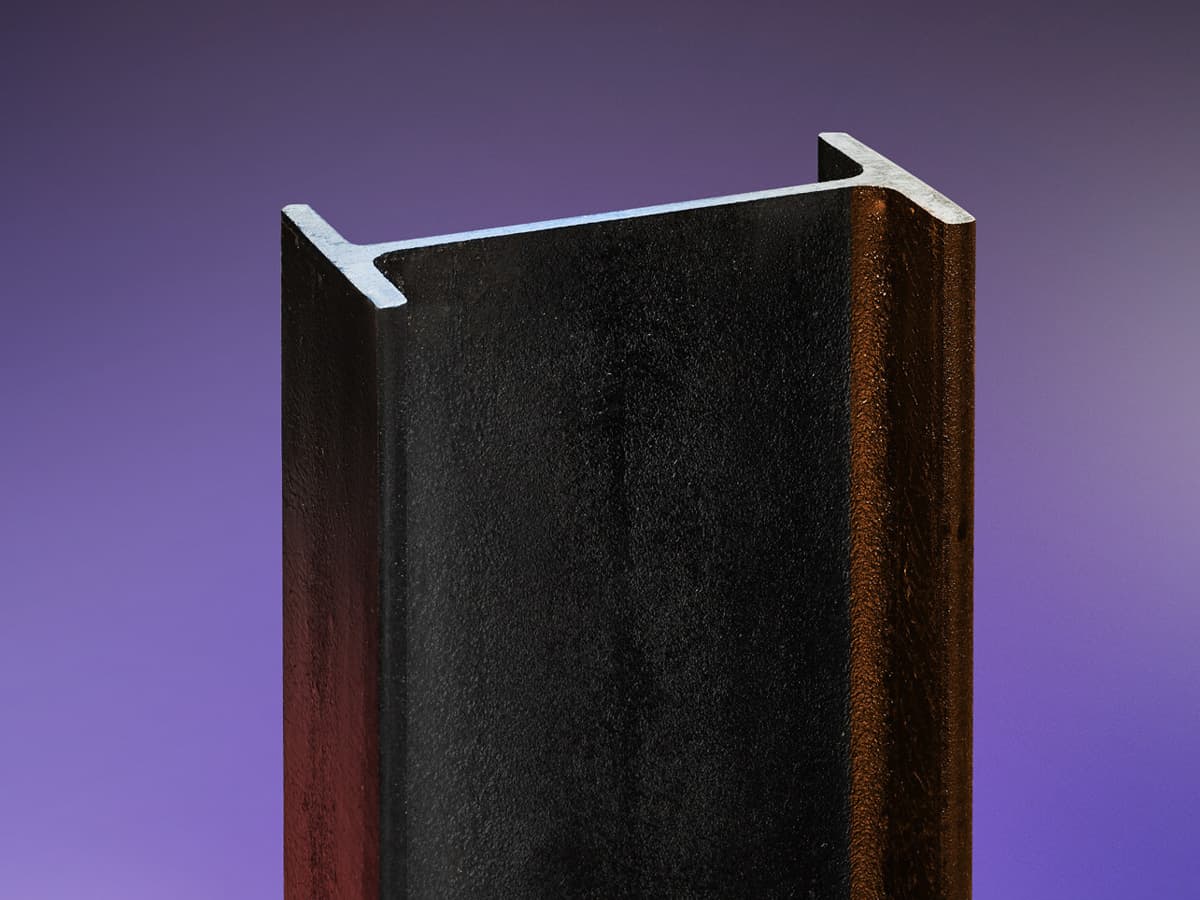
They account for a large share of large-scale applications such as bridges, skyscrapers, tunnels and infrastructure projects. In metal fabrication, billets are also the input for angles, wire rod coils and steel sections.
Steel Billet Production
Billet production is carried out with highly modern technologies and processes that require great precision.
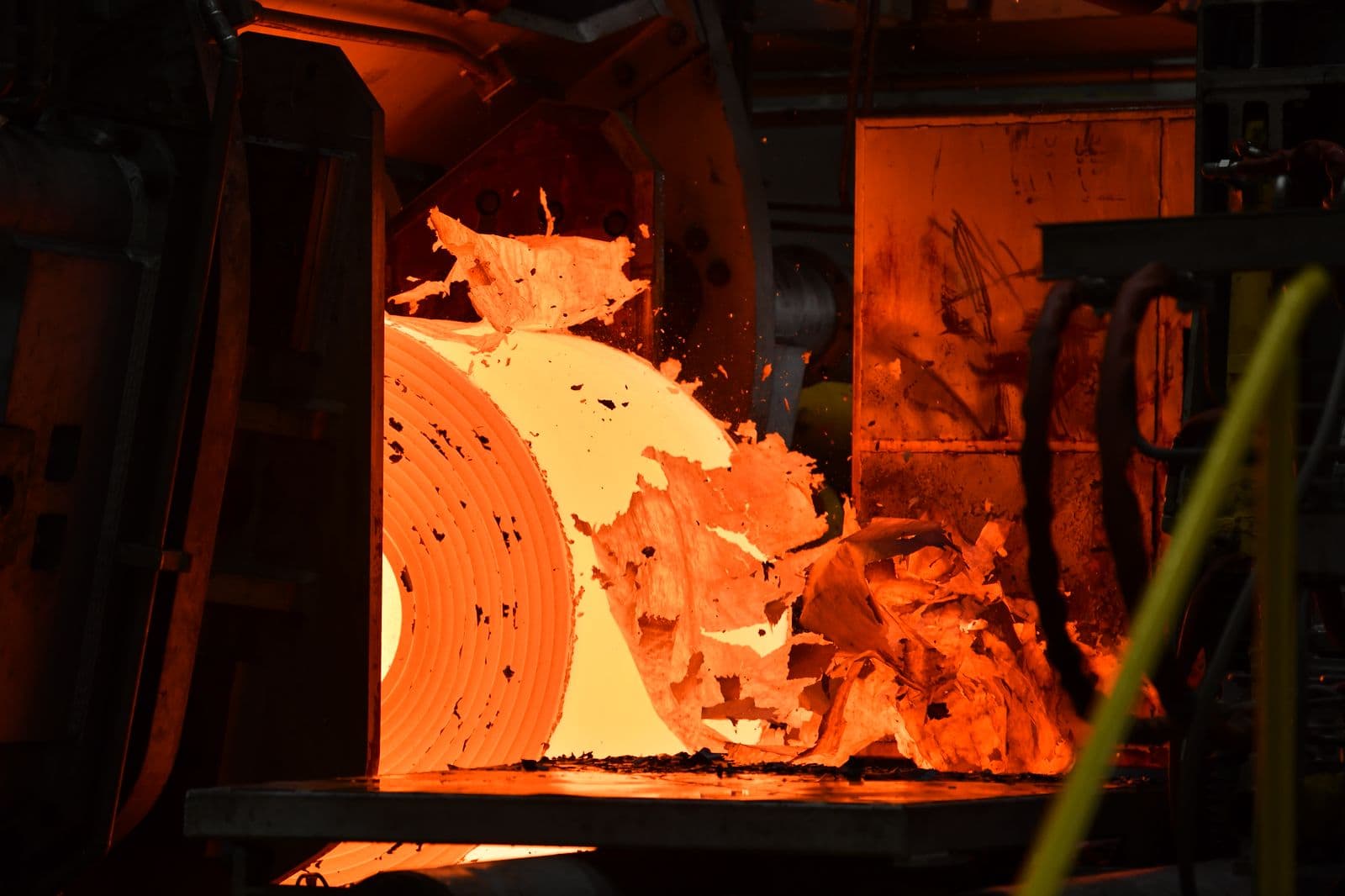
In the first stage, iron ore or scrap metal is melted at high temperatures. The casting machines are designed to improve surface quality and cross-section uniformity, and the liquid metal is shaped by continuous casting into billets with square or rectangular cross-sections.
After shaping, the billets are cooled and solidified in a controlled way. Cut to the required dimensions, the material passes through quality control to ensure compliance with standards. This process ensures that the end products are durable, workable and compliant with industry standards.